

Shipping goods internationally can feel like learning a new language, full of acronyms, paperwork, and rules you didn’t even know existed. Two of the most common (and confusing) terms are NVOCC (Non-Vessel Operating Common Carrier) and freight forwarder. On the surface, they may seem like two names for the same service. In reality, they operate differently, carry different responsibilities, and can impact your costs, liability, and delivery times in very different ways.
Choosing the wrong one doesn’t just create inefficiency; it can mean missed deadlines, unexpected fees, or compliance headaches. That’s why understanding the difference between these two logistics players is more than industry trivia; it’s a decision that can shape your entire supply chain.
What is an NVOCC?
An NVOCC is legally a carrier, despite not owning vessels. They buy bulk space from vessel-operating carriers (VOCCs) and resell it to shippers, acting as intermediaries with significant responsibility. Critically, NVOCCs issue their own House Bill of Lading (HBL), placing them between the shipper and the ocean carrier.
- Carrier-like obligations: They assume liability for the cargo and are responsible for its safe transport.
- Negotiated rates: By consolidating volume, NVOCCs can secure better ocean freight rates and potentially pass on savings.
- Single point of contact: Communication is streamlined, and you deal with one entity from start to finish.
However, NVOCCs may provide limited multimodal services unless they additionally operate as forwarders.
Also Read: What is an NVOCC And Why is It Important in Global Logistics?
What is a Freight Forwarder?
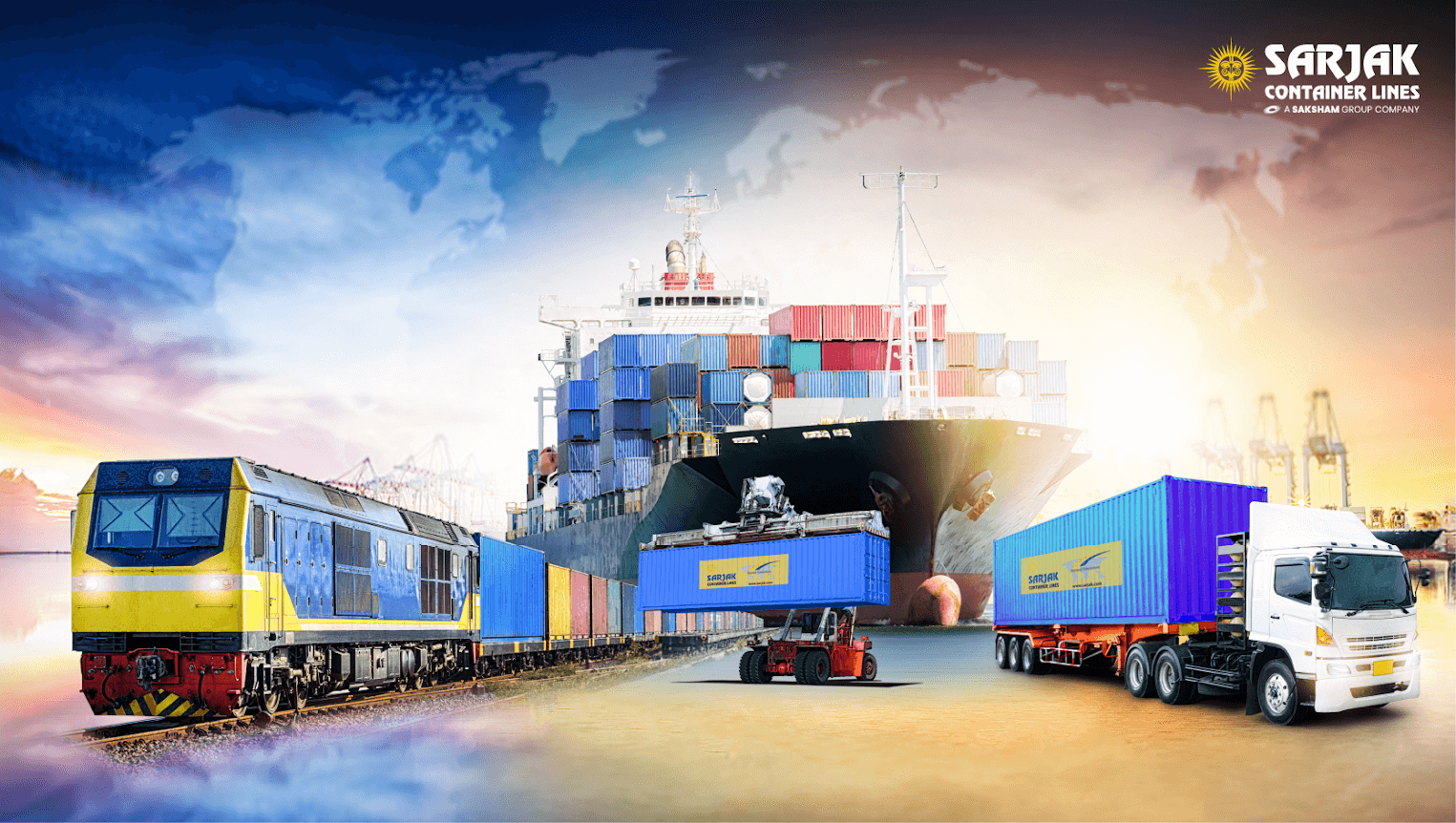
A freight forwarder acts as an agent or logistics architect for the shipper. They coordinate the transportation process across air, sea, road, or rail, handling documentation, customs clearance, warehousing, and more, but rarely take on carrier liability.
- Comprehensive multimodal support: They arrange and manage the entire logistics chain.
- Operational fees, not rate markup: Forwarders typically charge service fees instead of marking up freight rates.
- Regulatory and customs expertise: Many forwarders offer end-to-end solutions and help navigate complex trade compliance.
Side-by-Side Comparison
| Feature | NVOCC | Freight Forwarder |
| Legal Role | Acts as a carrier, issues its bill of lading | The agent for the shipper uses the master bill of lading |
| Transport Modes | Ocean only | Ocean, air, road, rail |
| Responsibility | Greater responsibility as a carrier | Coordinate logistics with less legal liability |
| Container Management | May own or control containers, consolidate LCL | Uses others’ containers, focuses on logistics |
| Pricing Structure | Mark up the carrier rates for profit | Charges operational fees |
| Ideal For | Experienced shippers needing ocean space | Shippers needing full logistics support |
Why These Differences Matter
- Responsibility and Control: As the issuer of the bill of lading, an NVOCC holds legal liability and control over the shipping transaction. A freight forwarder, on the other hand, facilitates but doesn’t take on this liability.
- Service Scope: Freight forwarders typically offer end-to-end logistics management, from arranging trucking to filing export documents. NVOCCs focus on flexible and cost-effective ocean freight solutions.
- Cost and Efficiency: NVOCCs leverage bulk contracts with shipping lines to secure lower rates. Freight forwarders may charge more but provide higher service flexibility.
- Licensing Requirements: Both are regulated as Ocean Transportation Intermediaries (OTIs) by the U.S. Federal Maritime Commission, but bond requirements vary.
When to Choose Which
Use an NVOCC if:
- You’re comfortable managing customs, inland logistics, and documentation.
- You regularly ship via ocean and want contracting advantages.
- You manage LCL shipments and seek cost efficiencies.
Use a Freight Forwarder if:
- You need a single point of contact for end-to-end logistics.
- You rely on multi-modal transportation, or require assistance with customs, warehousing, or insurance.
- You prefer outsourcing logistics expertise to streamline shipping.
When the Roles Overlap
Many modern logistics firms are licensed and operate as both an NVOCC and a freight forwarder. That dual capability means they can issue their bills of lading and also manage end-to-end logistics, useful if you want a single provider to handle ocean consolidation, plus inland delivery and customs paperwork. If you see a provider offering both services, confirm which role they’ll play for your shipment (carrier vs. agent) before signing.
Final Take
International shipping already has enough moving parts. Understanding the difference between an NVOCC and a freight forwarder is one way to take uncertainty out of the process. One offers carrier-level responsibility and competitive ocean freight rates; the other delivers end-to-end coordination and multimodal flexibility. Both are vital in global trade, but knowing which one to choose and when can turn a complex shipment into a smooth delivery.
The next time you’re faced with the decision, remember: the right partner isn’t just a link in the chain, it’s the key to keeping your goods, your timelines, and your budget on track.