

Mumbai, October 2025:
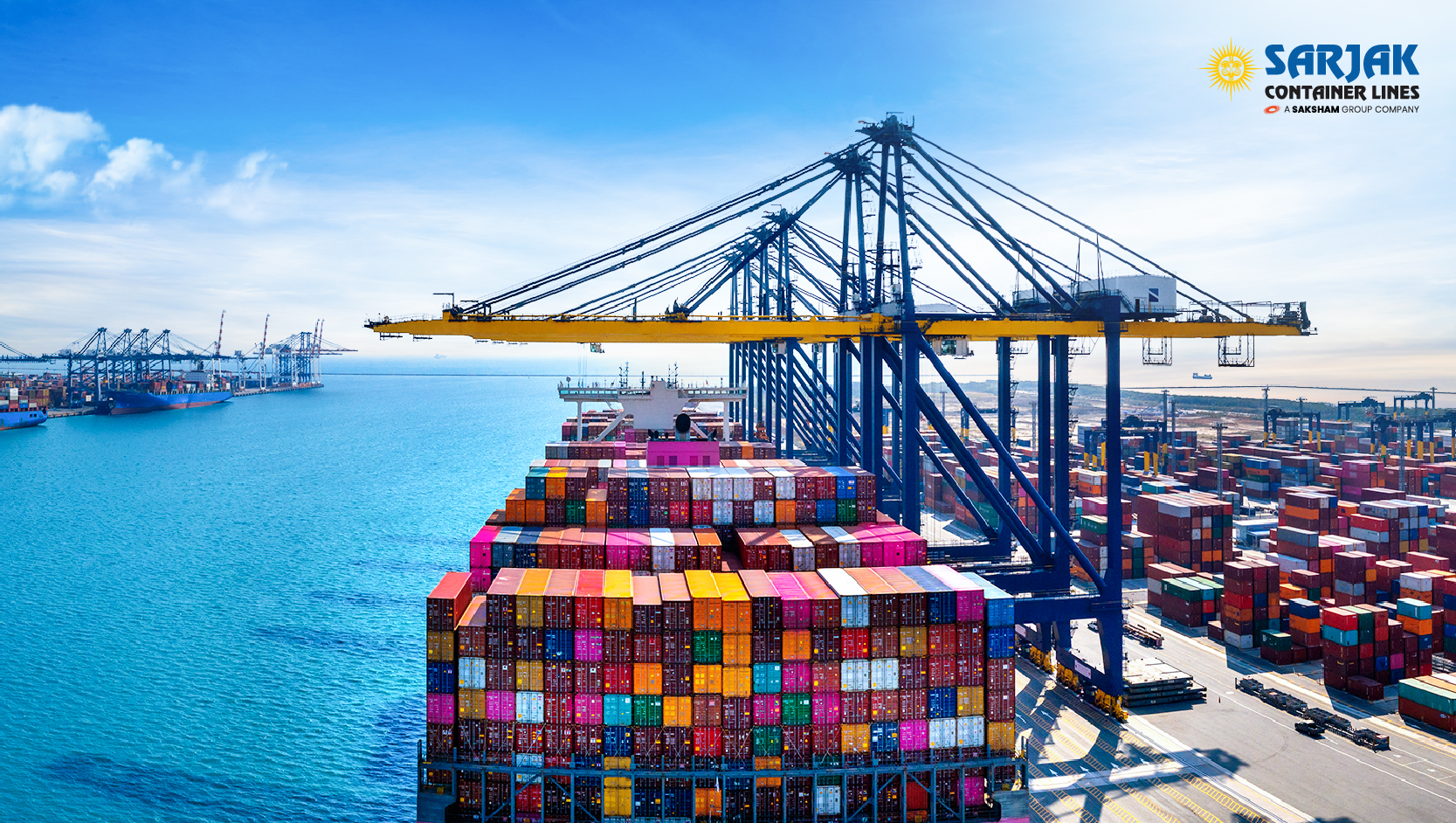
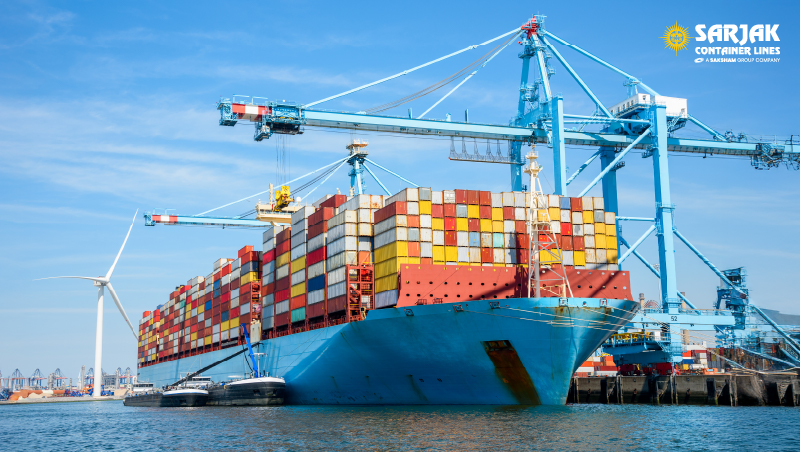
After four months of continuous softening, global container rates recorded their first weekly uptick in mid-October, with Drewry’s World Container Index rising by roughly 2%. For India, this shift coincides with changing trade patterns triggered by the U.S. tariff cycle, equipment realignments across ports and early festive season pre-bookings, all combining to create a phase of “managed volatility” rather than a sustained rally.
“We’re in a stage where fundamentals are not collapsing, but the predictability of lanes has become weaker. Indian shippers are recalibrating routes and schedules almost month-to-month,” said Supal Shah, CEO, Sarjak Container Lines.
Current State: Stabilising Indices, Fragile Confidence
After four straight months of decline, global freight indices are finally showing early signs of stabilisation, though not yet signalling recovery.
The India–U.S. East Coast corridor, one of the most closely watched trade lanes, continues to hover in the USD 1,600–1,700 per FEU range amid tariff uncertainties and subdued U.S. retail imports.
While intra-Asia trade remains comparatively stable, buoyed by steady Southeast Asian consumption and transshipment through regional hubs, the surplus of vessel capacity is preventing any sustained upward rate movement.
On the macro side, India’s September trade deficit widened to a 13-month high, underscoring how weakened exports to key partners are beginning to show in national trade data. The slowdown in cargo movement is reflected less in congestion and more in cost structures: inland logistics expenses have risen by 8–10% year-to-date, driven by higher fuel prices, chassis rentals and domestic haulage rates.
At an operational level, the market is behaving with restraint. Carriers are testing the floor, adjusting blank sailings and capacity on high-variance routes, while forwarders are bracing for a stop-start rhythm through the rest of Q4 2025.
“We see freight rates trying to find equilibrium after months of correction,” said Supal Shah, CEO, Sarjak Container Lines. “But exporters remain cautious, they’re booking in shorter windows, diversifying destination ports and focusing on flexibility rather than volume commitments.”
This combination of tentative stabilisation and defensive trade behaviour paints a picture of fragile confidence, a market still digesting the effects of tariffs, equipment surpluses and shifting demand patterns, even as India’s logistics backbone continues to show resilience beneath the surface.
2. What’s Driving the Market?
Policy shocks: Tariff measures on Indian goods entering the U.S. have forced exporters to reschedule shipments and shift to alternate ports in Europe, the Middle East and East Africa.
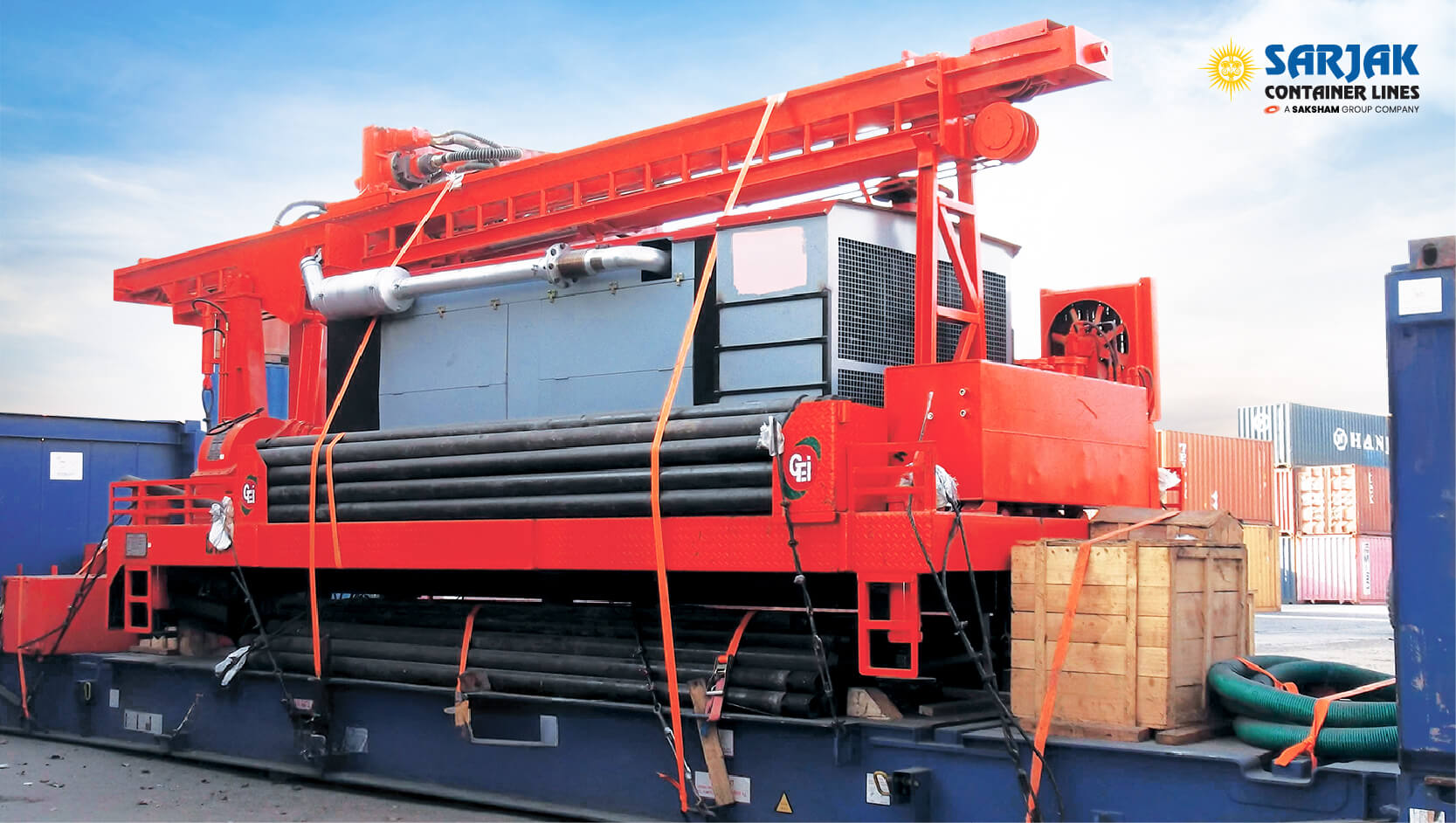
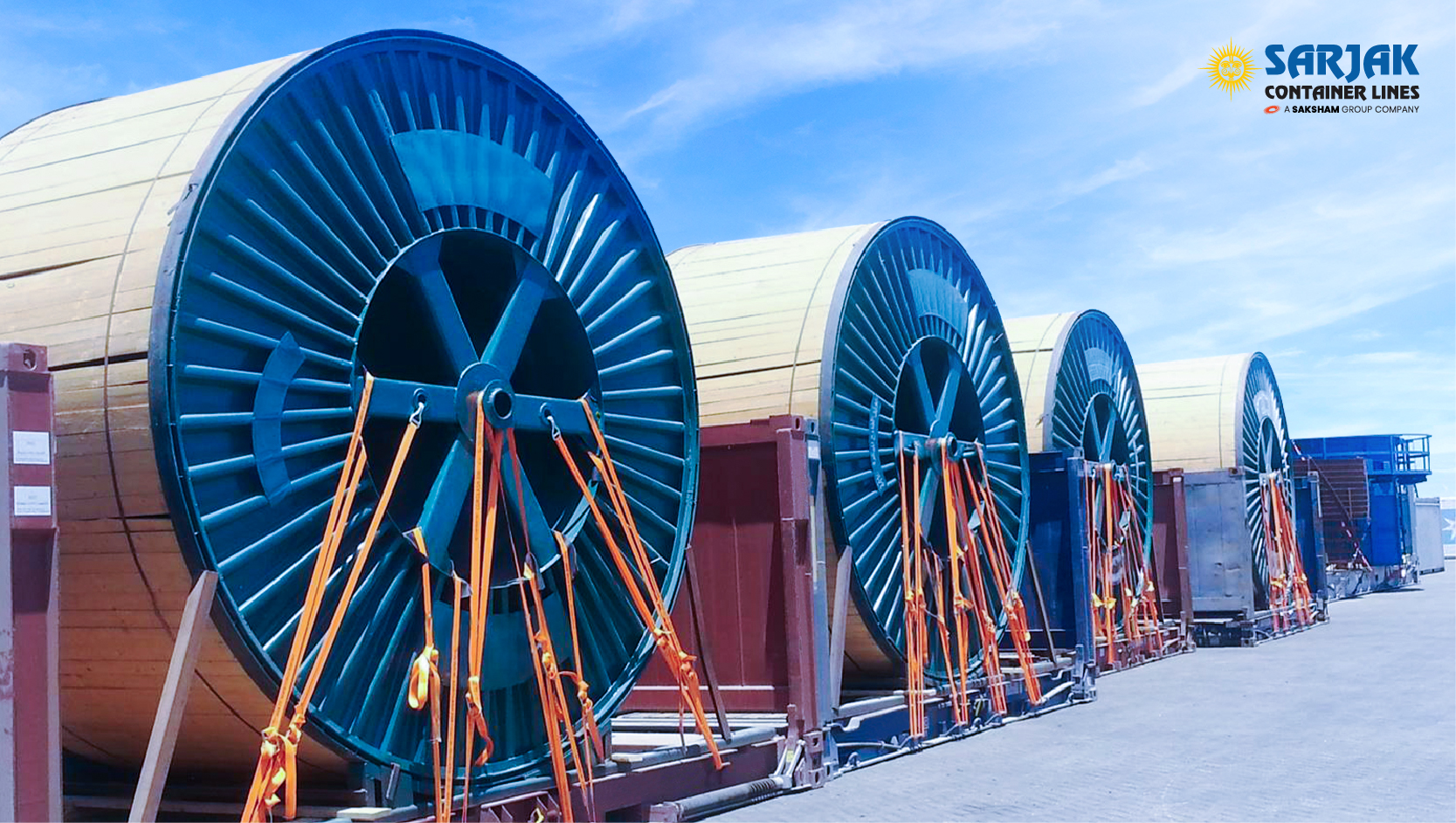
Equipment imbalances: While standard 40-foot containers remain in surplus, the availability of specialised equipment such as 20-foot open tops and flat racks is tightening — a key concern for out-of-gauge and project shipments, especially in the heavy engineering sector.
Local costs: Handling, storage and demurrage fees at Indian ports have risen 6–12% since mid-year, offsetting benefits from cheaper line-haul rates.
Energy and labour: Fuel and handling costs remain sticky; terminal tariff revisions (at JNPA and Chennai) are adding to OPEX for forwarders and NVOCCs.
3. The Policy and Industrial Context: India’s Maritime Moment
India’s ocean freight story in 2026 cannot be separated from its shipbuilding and maritime policy shift. The government’s recent ₹70,000 crore shipyard modernisation program — aimed at upgrading design capabilities, technology adoption and drydock infrastructure — marks a turning point for domestic shipbuilding.
This dovetails with the broader Sagarmala and Maritime India Vision 2030 initiatives, which target a fourfold increase in port capacity, expanded coastal shipping and a greater share of containerised freight moving by rail through multimodal logistics parks.
Simultaneously, private participation in ship repair, coastal logistics and specialised vessel manufacturing (like feeder and multipurpose vessels) is expected to rise, opening new lanes for Indian private players to link maritime manufacturing with logistics service delivery.
“If India’s shipbuilding ambitions take hold, the freight ecosystem stands to gain at every node, from better turnaround times and lower charter dependencies to faster coastal and feeder connectivity,” noted Supal Shah, CEO, Sarjak Container Lines. “This is how logistics competitiveness becomes a national strength, not just a commercial metric.”
For logistics companies like Sarjak Container Lines, which operate at the interface of ocean, port and project cargo movement, these reforms signal long-term structural benefits: reduced dependence on foreign tonnage, improved vessel availability and faster container cycle times through Indian ports.
4. The Broader Picture: 2026 Could Be the “Fragmented Recovery” Year
Rate outlook: Sarjak Container Lines expects 2026 to bring patchy recoveries across lanes rather than a uniform upswing. Intra-Asia and India–Europe corridors could stabilise by Q2 2026, while India–U.S. may take longer due to persistent tariff overhangs.
Infrastructure catalyst: India’s investments in port modernisation, logistics parks and rail freight corridors will improve container velocity and equipment turnaround, gradually lowering inland logistics costs.
Geopolitical factor: As trade realigns into regional blocs, India’s relative neutrality and manufacturing diversification advantage could translate into more stable export orders by late 2026.
Digital adoption: Predictive ETA tools and real-time container visibility will shift from “nice-to-have” to a competitive necessity for forwarders.
“The 2026 market won’t reward volume chasing. It will reward resilience, visibility, routing flexibility and asset discipline will define winners,” noted Shah.
5. For Indian Exporters: What to Watch
|
Risk Area |
Current Signal |
2026 Outlook |
|
Freight rates |
Mild uptick after 4-month dip |
Patchy, corridor-specific recovery |
|
US-bound cargo |
Tariff drag, weaker demand |
Policy-dependent rebound late 2026 |
|
Inland logistics |
8–10% cost inflation YTD |
Gradual moderation with infra upgrades |
|
Equipment balance |
Surplus of 40HCs, shortage of OTs/FRs |
Tight supply for project cargo until H2 2026 |
|
Shipper behaviour |
Shorter contracts, flexible routing |
Continued preference for shorter lock-ins |
6. Outlook Summary
Sarjak Container Lines foresees 2026 as a realignment year, one where India’s logistics ecosystem strengthens even as freight markets remain fluid.
- Near-term noise will persist due to policy-driven demand fluctuations.
- Mid-term stability will emerge as infrastructure and multimodal systems absorb shocks.
- Exporters and forwarders who build operational agility through dynamic routing, digital visibility and cost transparency will outperform.
“This is not a downturn; it’s a redesign phase for Indian shipping,” Shah concluded. “The fundamentals of trade growth remain strong, but the pathways are changing.”
About Sarjak Container Lines
Sarjak Container Lines Pvt Ltd is India’s leading project logistics and container shipping specialist, headquartered in Mumbai and serving 84+ countries through 275+ ports worldwide. Founded in 2003 with a focus on over-dimensional (ODC/OOG) cargo, Sarjak Container Lines revolutionised the industry by investing in a dedicated fleet of flat-racks and open-top containers to meet the demands of complex infrastructure and heavylift projects.
Today, it delivers end-to-end logistics solutions from chartering vessels and breakbulk/ heavylift movements to road/rail stuffing, customs clearance and on-site delivery backed by its global network, high-tech systems and specialised equipment. Sarjak Container Lines’ mission is to provide innovative, digitally enabled, customer-centric project cargo logistics, while fostering sustainable growth and building trusted partnerships. To ship any dimension, any distance, choose Sarjak Container Lines. For more information, visit www.logzy.in
Media Contact: Ritika Kapoor, communications@ritika-kapoor.com