
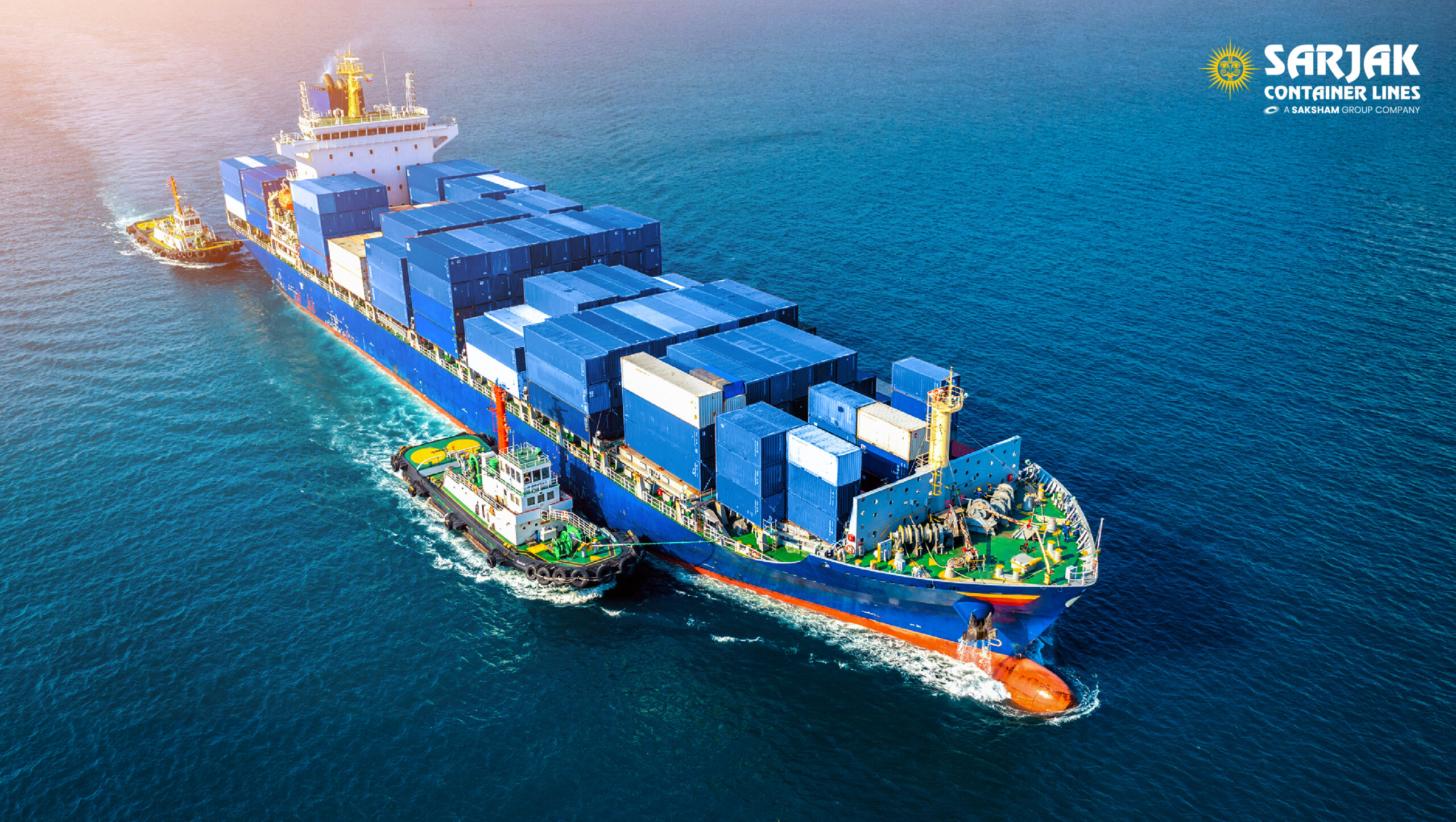
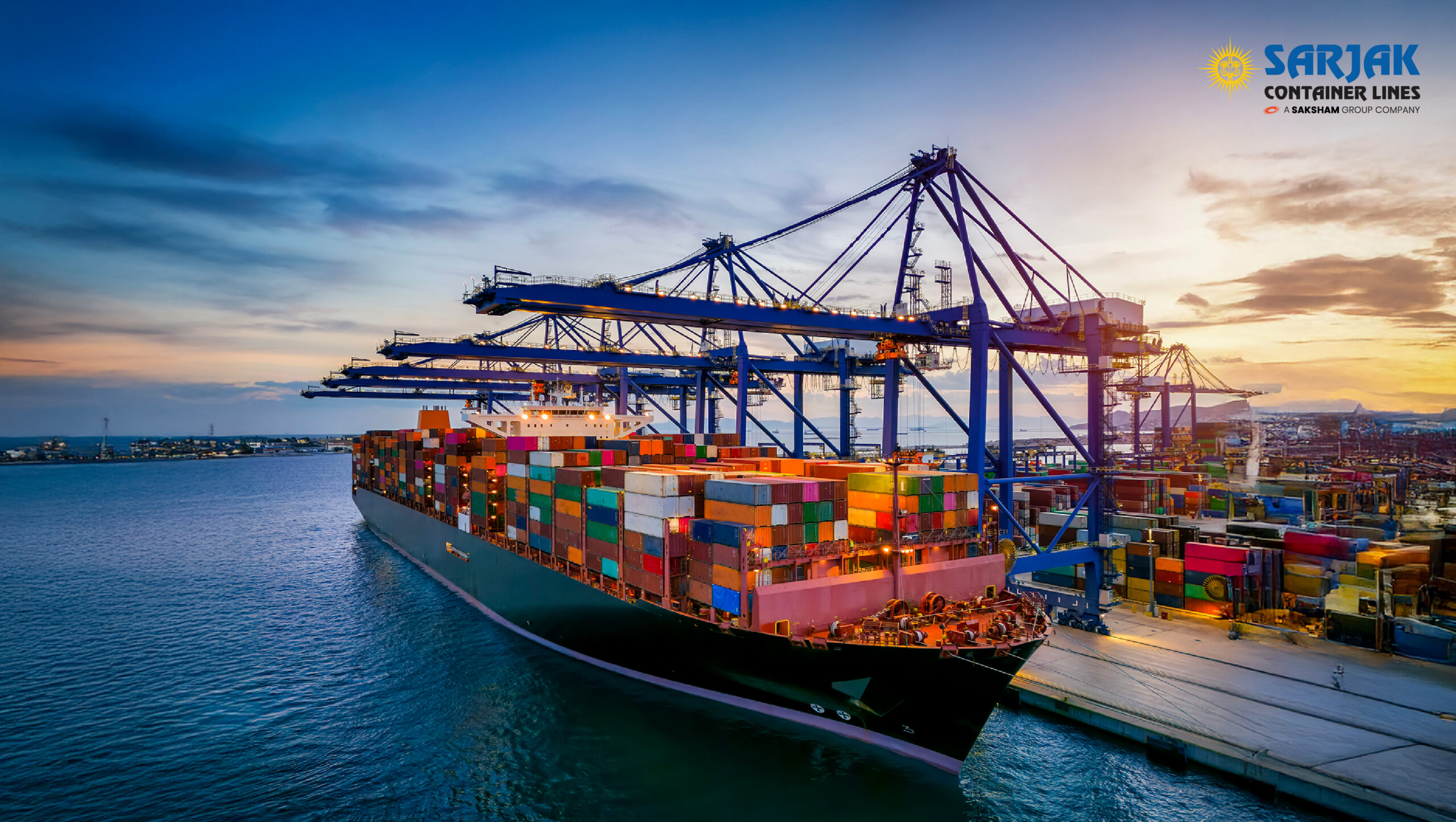

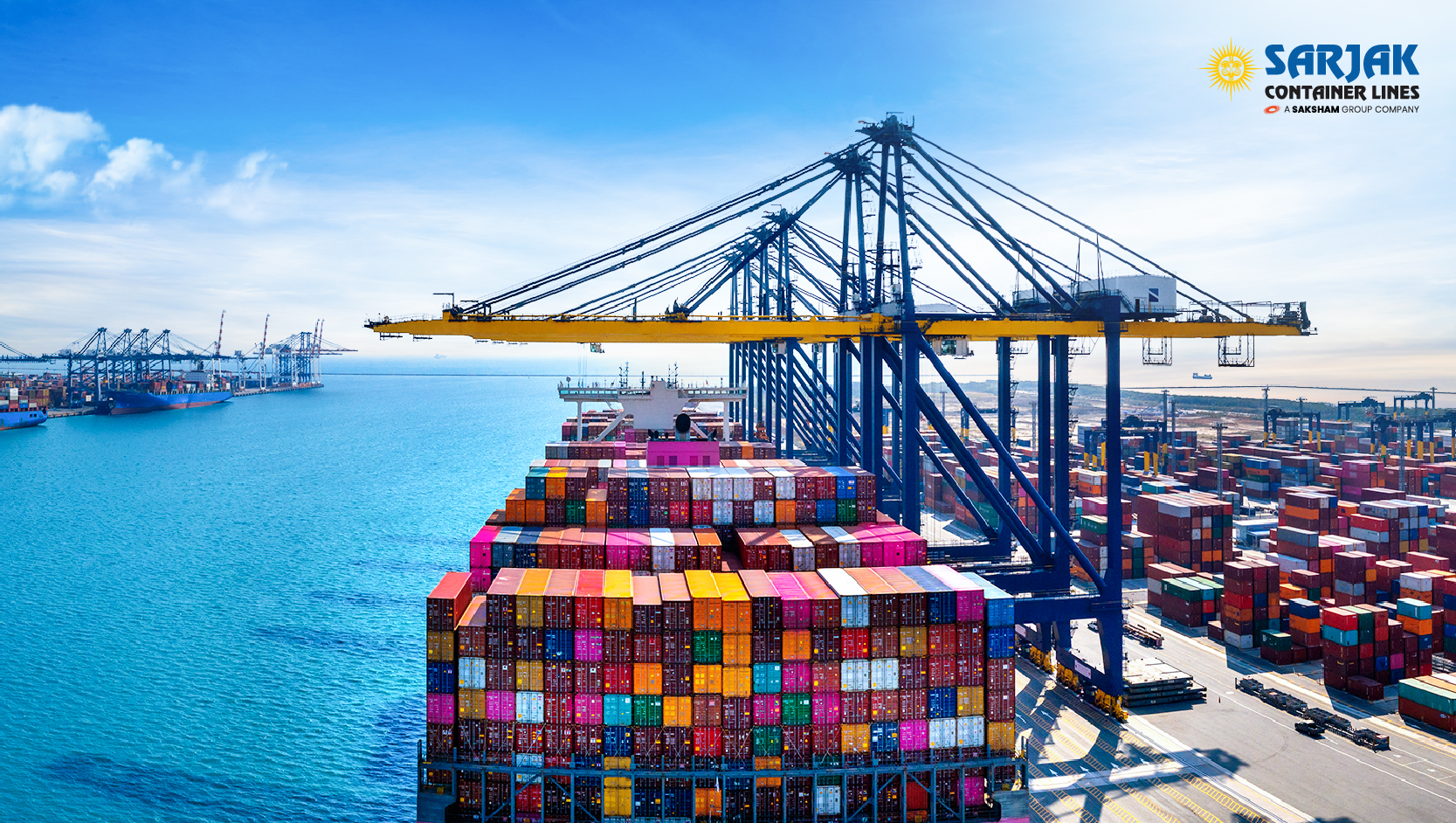
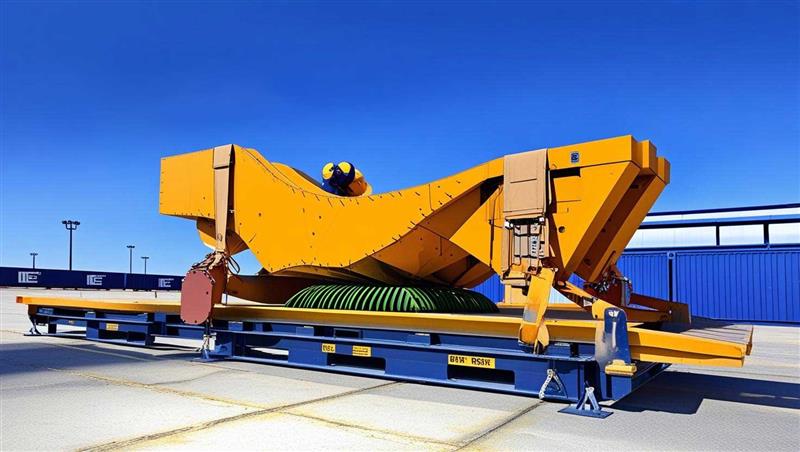

Did you know that, according to the World Economic Forum, around 90% of global goods are shipped by sea, and 60% of that is transported in containers? These containers are the foundation of modern international trade and play a central role in the system known as containerised cargo.
Whether it’s electronics, furniture, or pharmaceuticals, the containerisation of cargo has made global trade faster, more secure, and highly efficient.
In this guide, we’ll explore what containerised cargo is and why it has become the preferred mode of freight transportation worldwide.
What is Containerised Cargo?
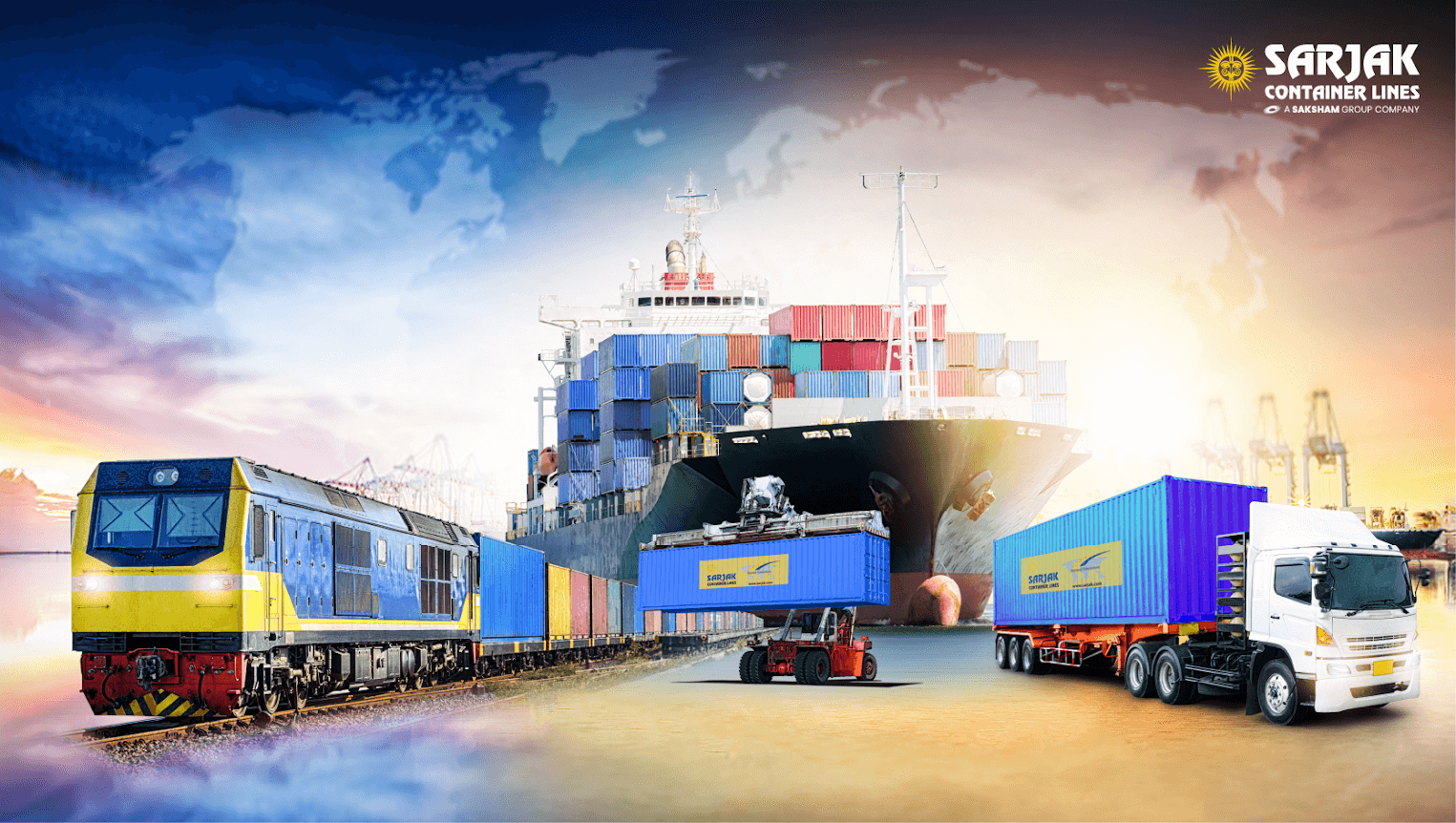
Containerised cargo refers to goods that are packed and transported in standardised shipping containers. These containers are usually made of steel and come in fixed sizes, allowing for quick and easy transfer between ships, trucks, and trains.
This method of transport, known as the containerisation of cargo, reduces handling time, minimises damage, and cuts shipping costs. It also allows for consistent cargo handling across global logistics networks.
Common Containerised Cargo Examples
| Category | Examples |
| Electronics | Laptops, smartphones, televisions |
| Apparel | Garments, shoes, fashion accessories |
| Furniture | Flat-packed or modular furniture |
| Machinery | Engines, tools, industrial equipment |
| Food Products | Canned foods, packaged snacks, and beverages |
| Pharmaceuticals | Medicines, medical equipment |
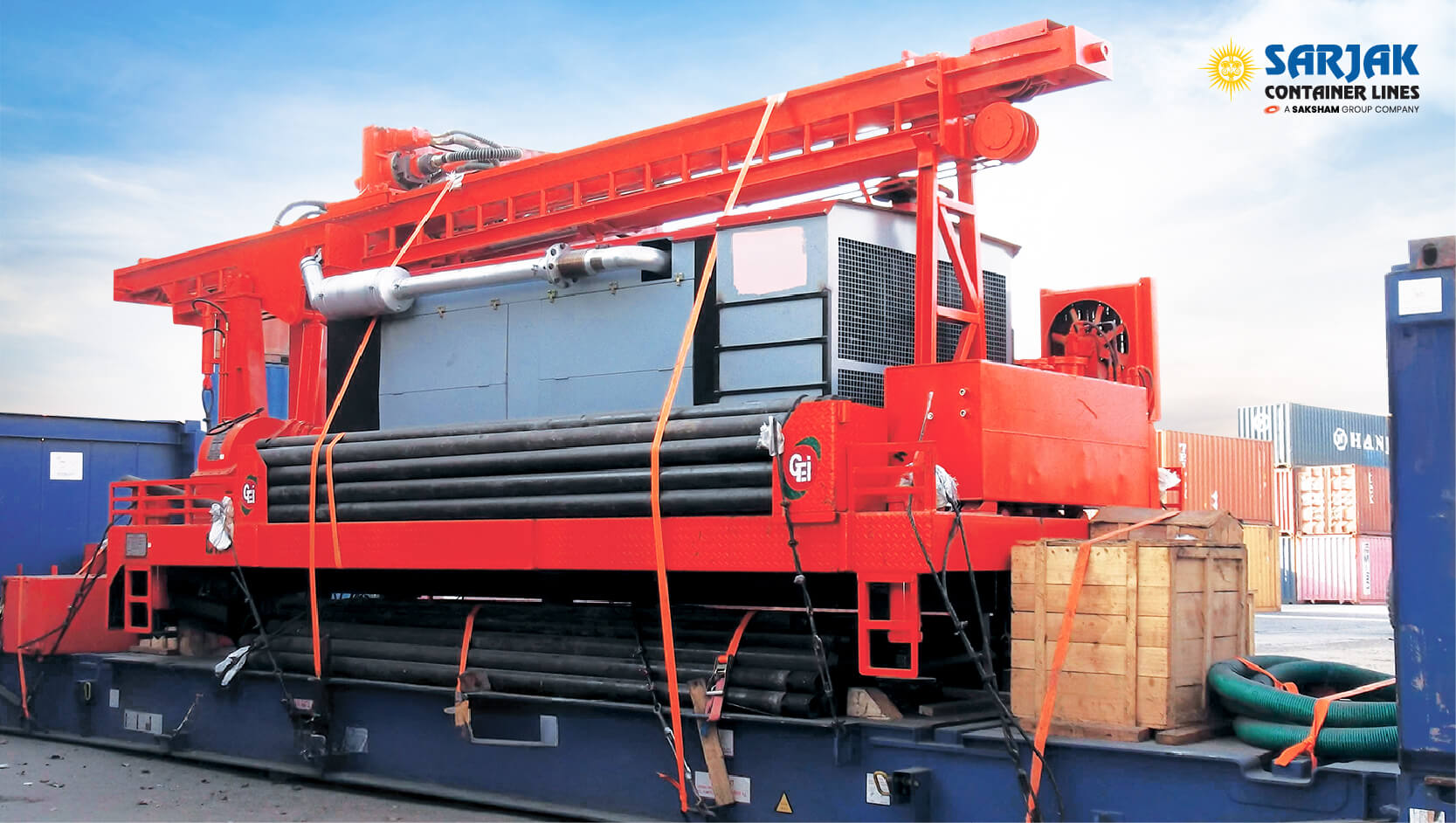
| Automobiles | Cars, motorcycles (shipped via flat racks) |
Top Benefits of Using Containerised Cargo
- Cost-Effectiveness
Containerised shipping reduces per-unit costs, especially when the cargo volume justifies using a full container. It also lowers labour and handling expenses at ports and warehouses.
- Security and Safety
Goods packed in sealed containers are protected from theft, damage, and weather-related risks. The container acts as a physical barrier, ensuring cargo integrity throughout transit.
- Environmental Impact
Consolidating goods into containers reduces the number of trips required for transport. As a result, fuel usage and emissions are significantly lower.
- Intermodal Efficiency
Standardised containers allow cargo to move directly between ships, trucks, and trains. This reduces delays and improves handling speed across the supply chain.
- Scalability and Storage
Containers are built to fixed dimensions, making them easy to stack and store. This standardisation helps optimise space in ports, warehouses, and vessels.
- Cargo Tracking and Traceability
Digital tracking systems offer real-time visibility into the location and condition of the container. This allows better planning and coordination across logistics operations.
Types of Containers Used in Cargo Shipping
Most ISO containers are available in 10 ft, 20 ft, and 40 ft lengths. The 20 ft and 40 ft sizes are the most common across nearly all types.
| Container Type | Description | Used For |
| Dry Storage | Standard 10ft, 20ft, or 40ft containers | General goods, electronics, textiles |
| High Cube (HC) | Same footprint as Dry but taller for extra volume | Light, bulky cargo, tall pallets, racked goods |
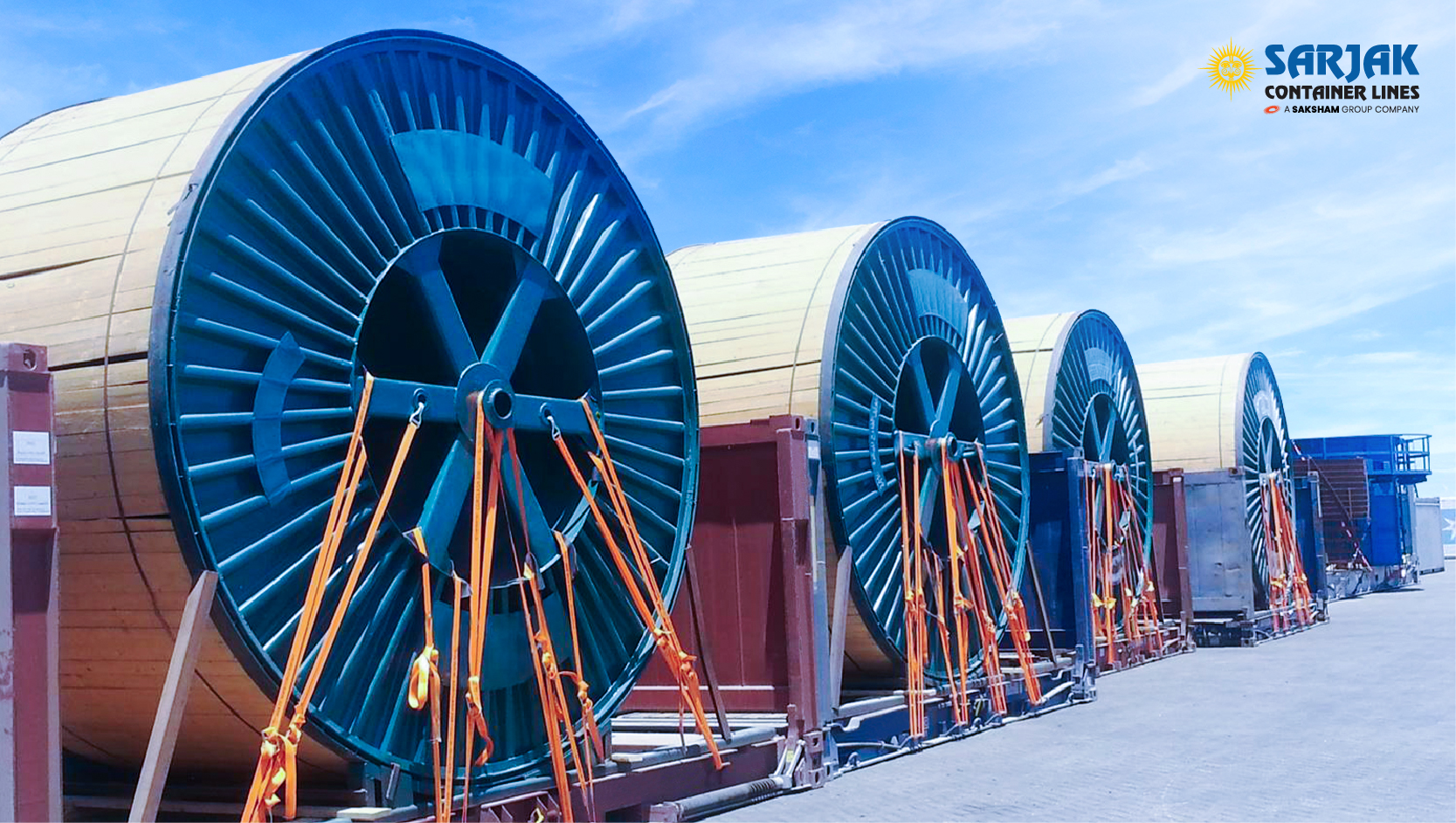
| Flat Rack | Has collapsible sides for oversized cargo | Vehicles, construction equipment |
| Open Side | Doors open along the side for wider loading access | Palletised goods, agricultural products |
| Open Top | No fixed roof, allows loading from the top | Tall machinery, large logs |
| Refrigerated (Reefer) | Maintains a fixed internal temperature | Food, medicine, perishable items |
| Tank Containers | Used for transporting bulk liquids and chemicals | Fuel, oils, beverages, gases |
Shipping Container Sizes
Selecting the correct container size helps plan capacity and control shipping costs. Here are the standard container dimensions:
| Code | Container Type | Length |
| 20’GP/DV/FT | General Purpose | 20 feet |
| 40’GP/DV/FT | General Purpose | 40 feet |
| 40’HC/HQ | High Cube (Extra Height) | 40 feet |
Full Container Load (FCL) vs Less-than-Container Load (LCL)
Full Container Load (FCL) means a single shipper uses the entire container. It is more cost-effective for large shipments and offers better control over loading and unloading.
Less-than-Container Load (LCL) allows multiple shippers to share space within one container. While the per-unit cost is slightly higher, it is ideal for smaller shipments that do not require a full container.
The Containerised Shipping Process
Here’s an overview of the containerised cargo handling process from origin to final delivery.
1. Order Placement
The customer books cargo space and appoints a freight forwarder to handle logistics.
2. Packing
Goods are securely packed into pallets, crates, or slip sheets and loaded into containers.
3. Truck Loading
A truck picks up the container from the facility and delivers it to the port.
4. Ship Loading
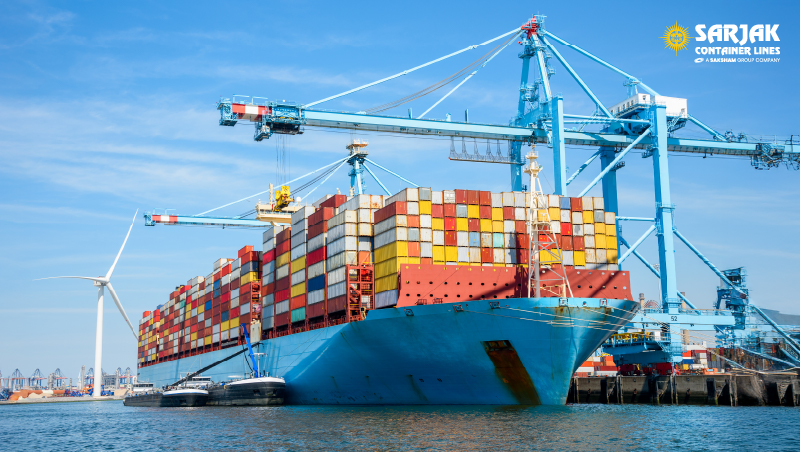
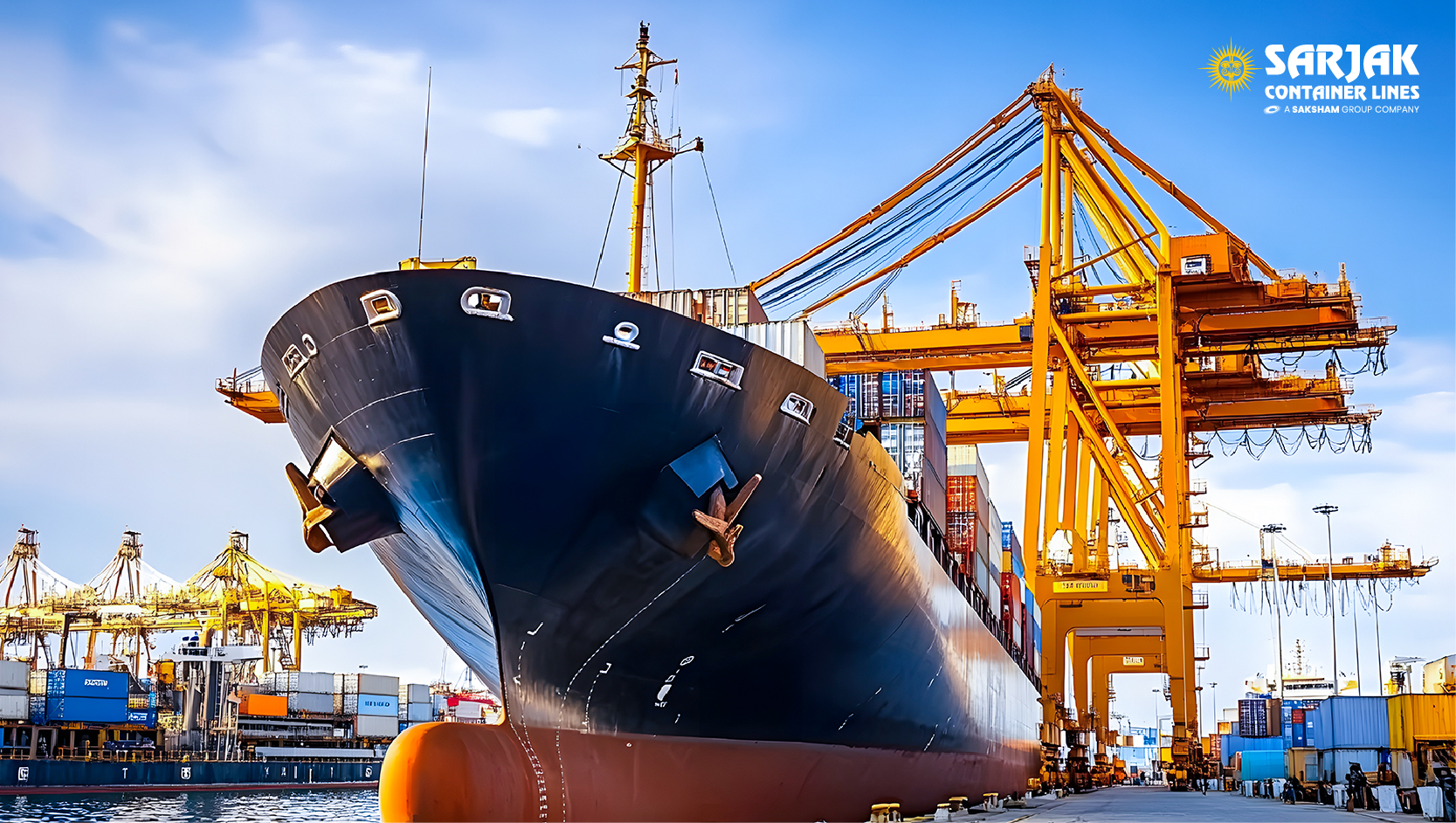
The container is lifted onto a cargo ship for international transit.
5. In Transit
Cargo details are shared with customs at the destination during the voyage.
6. Arrival and Offloading
At the port, dockworkers unload the containers using cranes.
7. Customs Clearance
Authorities review the Bill of Lading and other documents. Some containers may be inspected.
8. Final Delivery
The cleared container is transported to a distribution centre. Goods are then unpacked and sent to the end customer.
To Sum Up
The containerisation of cargo has changed the way the world ships goods. It offers faster, safer, and more scalable transport for businesses across industries. With the right type of container and shipping strategy, companies can reach global markets more reliably and affordably.
At Sarjak Container Lines, we specialise in handling over-dimensional and special cargo using innovative container solutions. Our team ensures that every shipment is handled with care, precision, and a commitment to timely delivery.
Containerised Cargo FAQs
Q1. What is meant by containerisation of cargo?
Containerisation refers to the use of standard-sized containers to move goods across ships, trucks, and trains without unpacking during transit.
Q2. What are some containerised cargo examples?
Examples include packaged electronics, garments, machinery, canned food, medicines, and vehicles.
Q3. What documents are required for containerised shipping?
Important documents include the Bill of Lading, Freight Bill, and shipping terms such as ExWorks or Free on Board (FOB).
Q4. Can containerised shipping be used for small shipments?
Yes. Through LCL shipping, small businesses can send goods without booking a full container, making it cost-effective for lower volumes.
Q5. How does containerised cargo tracking work?
Containerised cargo tracking uses GPS, RFID, and digital platforms to monitor the real-time location and status of a shipping container throughout its journey.